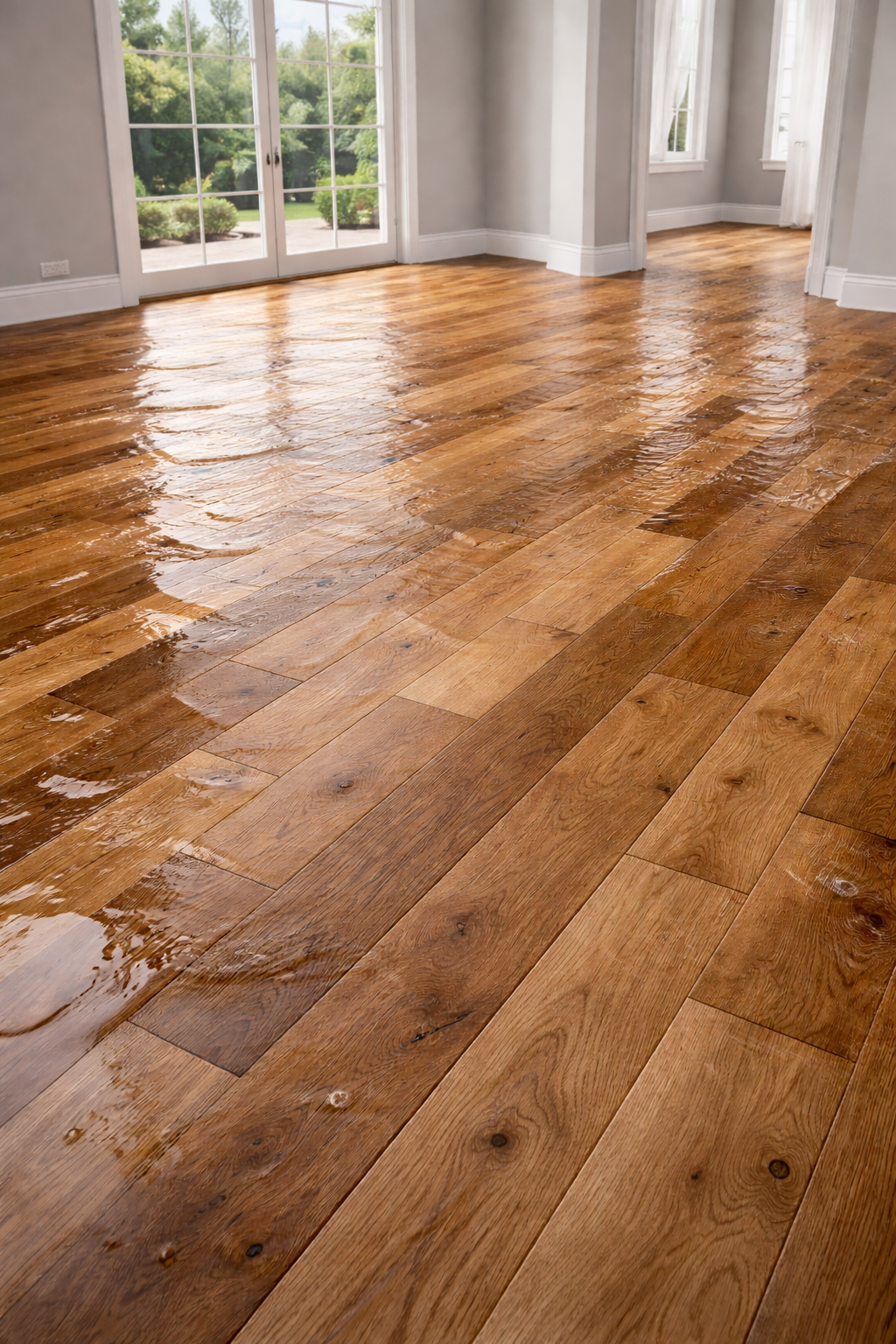
The floor you choose has a major impact on the comfort, appearance, and functionality of your home. Wood flooring continues to be a popular option because it brings natural character into a space while providing reliable everyday performance. With different wood types, colors, finishes, and plank designs available, homeowners can create a floor that matches both their lifestyle and interior style.
Whether you are renovating an existing property or finishing a newly built home, wood flooring can provide a clean and attractive foundation for your rooms.
What Makes Wood Flooring Different?
Natural wood has a character that is difficult to duplicate. Each plank can have its own grain patterns, knots, tones, and texture, giving the finished floor a unique appearance.
Wood flooring can also create visual continuity between rooms. Instead of making each space look separate, installing similar flooring throughout connected areas can make the home feel more coordinated and spacious.
Another advantage is its ability to complement different décor styles. Wood can look equally appealing with contemporary furniture, classic décor, farmhouse designs, or minimalist interiors.
Different Wood Flooring Options
Homeowners have several types of wood flooring to consider, and understanding the differences can make the selection process easier.
Solid Hardwood
Solid hardwood consists of natural wood throughout each plank. It is available in numerous species, colors, widths, and finishes.
One of its major benefits is longevity. When properly maintained, solid hardwood can often be sanded and refinished several times, allowing the surface to be refreshed instead of completely replaced.
Engineered Wood
Engineered wood flooring contains a genuine wood surface attached to a layered core. Its construction provides increased dimensional stability compared with traditional solid wood.
This makes engineered flooring a useful choice for certain areas where temperature or humidity levels fluctuate.
Reclaimed Wood
Reclaimed wood comes from previously used wood materials and often contains distinctive marks, textures, and color variations.
It can be a great option for homeowners looking for a floor with a rustic, aged, or one-of-a-kind appearance.
How Wood Flooring Can Improve Your Interior
Flooring is not simply a functional part of a home. It also contributes significantly to the overall design.
Lighter wood tones can help create an airy and open appearance, making them suitable for smaller spaces. Medium-toned floors offer a balanced and natural look, while darker wood can add depth and a more dramatic feel.
The direction in which planks are installed can also influence how a room appears. For example, long boards installed along the length of a room can emphasize the room’s dimensions.
Comfort and Everyday Use
Wood flooring provides a solid yet comfortable surface for everyday activities. Unlike hard tile or stone, wood has a warmer visual and physical character that can make living spaces feel more inviting.
It can work particularly well in bedrooms, family rooms, dining areas, offices, and hallways.
With the addition of area rugs, homeowners can create softer zones while still enjoying the appearance of the wood underneath.
Consider Your Lifestyle Before Installation
The best wood flooring is not necessarily the most expensive option. Your lifestyle should play an important role in the decision.
Families with children or pets may want to consider durable wood species and finishes that are better suited to active households. Homes with heavy foot traffic may benefit from flooring designed to handle frequent use.
You should also think about maintenance. Some finishes and wood types may require more care than others, so understanding the maintenance requirements before installation can prevent surprises later.
Preparing for Installation
A successful flooring project starts before the first plank is installed. The condition of the subfloor needs to be evaluated to identify uneven areas, moisture concerns, or other problems.
Wood flooring may also need time to adjust to the indoor environment before installation, depending on the flooring product and manufacturer’s recommendations.
Accurate measurements are important as well. Ordering the correct amount of material helps prevent delays and ensures enough flooring is available for the project.
Why Professional Installation Is Important
Installing wood flooring requires attention to detail. Boards need to be properly aligned, spaced, and secured according to the flooring system being used.
Professional installers can also identify potential issues before they become expensive problems. They understand how different flooring materials react to changes in indoor conditions and can use appropriate installation techniques.
A properly installed floor not only looks better but can also provide improved stability and long-term performance.
Caring for Wood Flooring
Regular care can help preserve the appearance of wood flooring. Sweep or vacuum regularly to remove dirt and grit that can cause surface scratches.
Clean spills as soon as they occur and avoid allowing excessive water to remain on the floor. Use cleaning products recommended for your particular flooring and finish.
Furniture can also cause scratches when moved across the surface. Felt pads under furniture legs can provide an extra layer of protection.
Over time, professional cleaning, maintenance, or refinishing may be useful depending on the condition of the floor.
Repair or Replace?
Worn-looking wood flooring does not always need to be replaced. Minor scratches, dull finishes, and surface wear can sometimes be addressed through professional refinishing.
Replacement may be necessary when boards have significant structural damage, extensive moisture problems, or deterioration that cannot be repaired effectively.
A flooring professional can inspect the existing floor and help determine the most practical solution.
A Long-Term Investment in Your Home
Wood flooring offers more than an attractive surface. It can help create a comfortable interior, complement different decorating styles, and provide dependable performance when properly selected and maintained.
From solid hardwood to engineered and reclaimed wood, homeowners have plenty of options to match their design preferences and practical needs.
With careful planning, quality materials, professional installation, and regular maintenance, wood flooring can remain a beautiful feature of your home for years to come.