Bathroom tile plays an important role in creating a space that is attractive, comfortable, and easy to maintain. From floors and shower walls to backsplashes and accent areas, the right tile can completely transform the appearance of a bathroom. With many colors, patterns, sizes, textures, and materials available, homeowners can find bathroom tile options that match almost any design style.
Why Bathroom Tile Is a Popular Choice
Bathrooms are exposed to water, humidity, and frequent cleaning, so the materials used in this space need to be durable. Bathroom tile is designed to provide a practical surface that can handle everyday moisture while also adding visual appeal.
Tile is available in many styles, making it suitable for traditional, modern, contemporary, and transitional bathrooms. It can also be combined with other materials and colors to create a customized appearance. With proper installation and maintenance, quality tile can provide long-lasting performance.
Choosing the Right Bathroom Floor Tile
Bathroom floors require tile that provides both durability and good traction. Since water can make surfaces slippery, homeowners should consider textured or slip-resistant options for areas that frequently become wet.
Porcelain and ceramic tiles are popular choices for bathroom floors. Porcelain is dense and highly durable, while ceramic offers a wide range of colors and designs. Natural stone can also create a luxurious appearance, although it may require additional maintenance and sealing.
The size of the tile can affect the overall appearance of the room. Large-format tiles can make a small bathroom appear more open because there are fewer grout lines. Smaller tiles can provide additional texture and may work especially well for shower floors.
Bathroom Shower Tile Options
Shower areas require materials that can withstand regular exposure to water. Bathroom shower tile can be installed on walls, floors, niches, and other surfaces to create a coordinated design.
Subway tile remains a popular option because of its simple and timeless appearance. Large-format tile can create a clean, modern look, while mosaic tile can be used to introduce patterns or decorative details.
When selecting shower tile, homeowners should also consider the grout. A properly installed waterproofing system behind the tile is essential, while appropriate grout and professional installation help create a durable finished surface.
Tile Colors and Patterns
Color has a major impact on the atmosphere of a bathroom. Light-colored bathroom tile can make a smaller space feel brighter and more spacious. White, cream, beige, and soft gray are popular choices for clean and neutral designs.
Darker tile can create a dramatic appearance and work well as an accent. Blue and green shades can provide a relaxing, spa-inspired feel, while patterned tile can become a focal point.
Homeowners do not have to use the same tile throughout the entire bathroom. Different sizes, colors, and patterns can be combined to define areas while maintaining a consistent design.
Bathroom Wall Tile
Bathroom wall tile can protect walls from moisture while adding character to the room. It can be installed around sinks, bathtubs, showers, and other areas where water or humidity is common.
Floor-to-ceiling tile can create a polished and cohesive appearance. Alternatively, homeowners can use tile on a specific wall or install a decorative backsplash behind the vanity.
Vertical tile patterns can make walls appear taller, while horizontal layouts may make a narrow bathroom appear wider. These simple design choices can make a noticeable difference in the finished space.
Easy Maintenance and Cleaning
One of the advantages of bathroom tile is that it can be relatively easy to clean. Regular cleaning helps remove soap residue, dirt, and moisture buildup before they become difficult to remove.
The maintenance requirements depend on the type of tile and grout selected. Porcelain and ceramic are generally straightforward to maintain, while natural stone may require sealing and specialized cleaning products.
Grout should also be inspected regularly. Cracked or damaged grout can allow moisture to reach areas where it should not, so repairs should be completed promptly.
Professional Bathroom Tile Installation
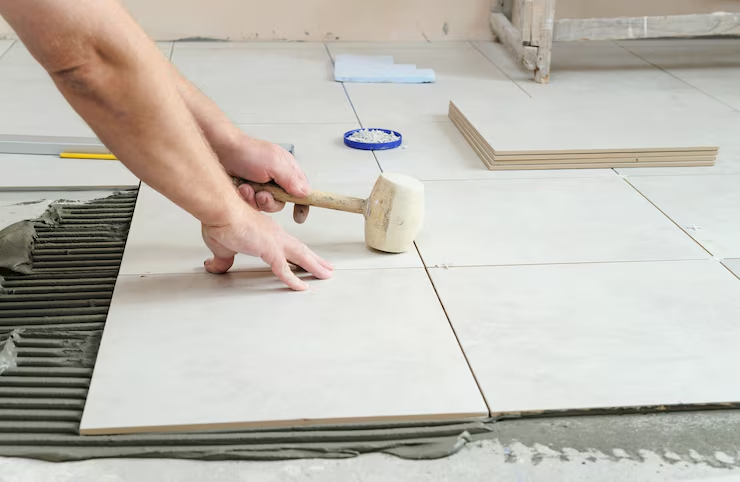
Even high-quality tile can perform poorly if it is installed incorrectly. Professional bathroom tile installation involves proper surface preparation, accurate measurements, appropriate spacing, level placement, and careful finishing.
In wet areas, waterproofing is particularly important. A professional installer can help ensure that the underlying surface is properly prepared before tile is installed.
Professional installation can also improve the final appearance by creating consistent grout lines and properly aligning patterns. This is especially important when using large-format, patterned, or decorative tile.
How to Choose Bathroom Tile
Before purchasing tile, consider the size of the bathroom, the amount of moisture in each area, the desired design, maintenance requirements, and available budget. It is also helpful to order samples so you can see how colors and textures look under the bathroom’s lighting.
Think about the entire space rather than choosing tile based only on appearance. A beautiful tile should also provide the durability, traction, and maintenance characteristics needed for its intended location.
Create a Bathroom You Will Enjoy
The right bathroom tile can improve both the appearance and functionality of your space. Whether you prefer a simple neutral design, a modern large-format style, a classic subway pattern, or a decorative mosaic, there are options available for every type of bathroom.
By choosing suitable materials and relying on professional installation, homeowners can create a bathroom that looks attractive and performs well for years. If you are planning a bathroom renovation, explore different tile styles and discuss your project with a professional to find the best solution for your space.